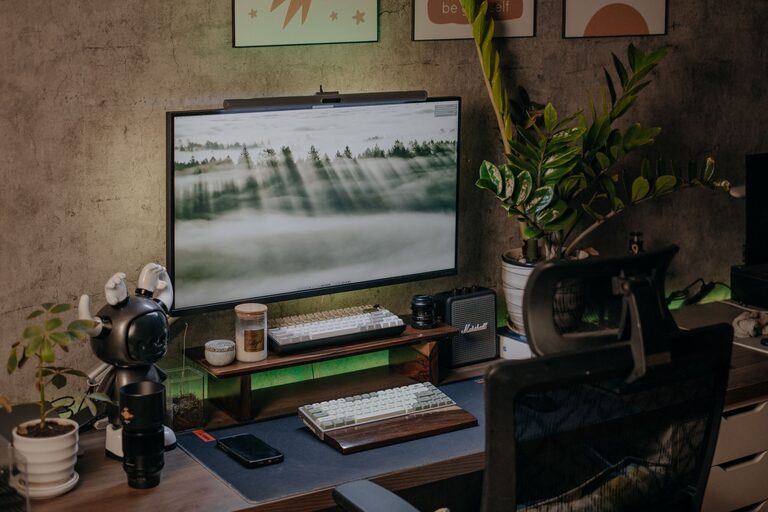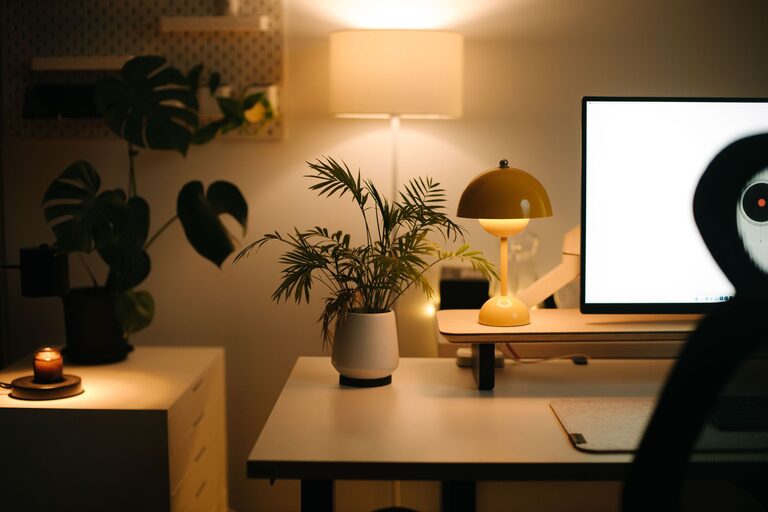
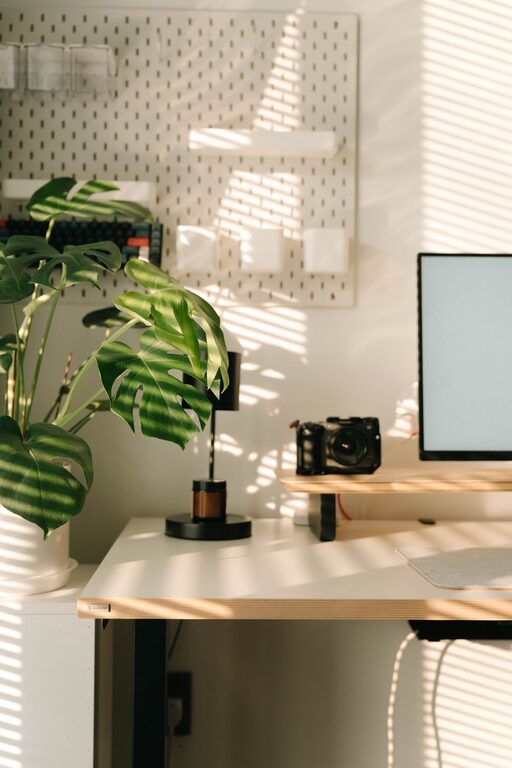
Creating a home office that is both relaxing and productive can greatly enhance your work-from-home experience. Whether you spend a few hours or a full workday at your desk, a thoughtfully designed space can improve focus, reduce stress, and make your tasks feel less overwhelming. In this post, we’ll explore practical tips to help you set up a home office where you feel comfortable and motivated.
Why Your Home Office Design Matters
Your workspace surroundings influence how well you work. A cluttered, poorly lit, or uncomfortable environment can lead to distractions, fatigue, and frustration. On the other hand, a well-planned office space supports good posture, encourages concentration, and creates a calm atmosphere that helps balance work and relaxation.
Choose the Right Location
Find a Quiet Spot
Pick a part of your home with minimal noise and foot traffic. If possible, select a separate room to help separate work from personal life. If a dedicated room isn’t available, use area dividers or a corner that feels private.
Consider Natural Light
Natural light improves mood and reduces eye strain. Position your desk near a window to take advantage of daylight. If natural light is limited, choose high-quality, adjustable lighting to keep your space bright without glare.
Invest in Comfortable and Ergonomic Furniture
Select an Ergonomic Chair
An ergonomic chair supports your back and encourages good posture. Look for adjustable height, lumbar support, and comfortable cushioning. Sitting comfortably can prevent aches and enhance concentration.
Choose a Suitable Desk
Your desk should be spacious enough for your computer, notebooks, and other essentials without feeling crowded. Adjustable desks allow you to switch between sitting and standing to reduce stiffness during long work hours.
Organize for Efficiency and Calm
Declutter Regularly
A tidy workspace helps your mind stay clear. Use storage solutions such as shelves, drawers, and organizers to keep supplies and documents out of sight but within easy reach.
Use Cable Management
Cables can quickly become tangled and messy. Use clips, sleeves, or under-desk trays to organize wires and keep your desk surface neat.
Keep Essentials Handy
Place frequently used items like pens, planners, or a water bottle close to you. This reduces interruptions and keeps your workflow smooth.
Personalize Your Space
Adding personal touches makes your office inviting and inspires positivity.
– Display artwork or photos that motivate you.
– Add plants to improve air quality and bring a natural touch.
– Use colors you enjoy in your decor, as they can affect your mood and productivity.
Incorporate Relaxation Elements
To maintain balance, include items and habits that promote relaxation during breaks.
– Use a comfortable chair or cushion for stretching or resting.
– Play soft background music or nature sounds to reduce stress.
– Keep a small diffuser with calming scents like lavender nearby.
Manage Technology Wisely
Optimize Your Tech Setup
Ensure your computer, monitor, keyboard, and mouse are arranged ergonomically to prevent strain. Consider using a second monitor if you multitask frequently.
Limit Distractions
Turn off non-essential notifications and use apps that block distracting websites during work hours. A focused digital environment supports a productive mindset.
Establish Clear Boundaries
Set Working Hours
Define specific work hours and stick to them as much as possible. This helps you separate work time from personal time, reducing burnout.
Create a Start and End Routine
Begin your day with a quick checklist or organizing task to transition into work mode. Ending your day by tidying your desk or planning tomorrow’s tasks signals the close of work and supports relaxation.
Maintain Good Air Quality and Temperature
Fresh air and a comfortable temperature improve alertness and overall comfort.
– Open windows when possible or use an air purifier.
– Use fans, heaters, or humidifiers as needed to keep your space pleasant throughout the year.
Final Thoughts
Designing a relaxing and productive home office takes a bit of planning, but the benefits are well worth the effort. By selecting the right location, investing in ergonomic furniture, organizing wisely, and adding personal touches, you can create a space where work feels less like a chore. Remember to incorporate elements that support relaxation and establish routines that foster clear boundaries. With these tips, your home office can become a place where you thrive both personally and professionally.