 15 June 2026
 Share
Share
1

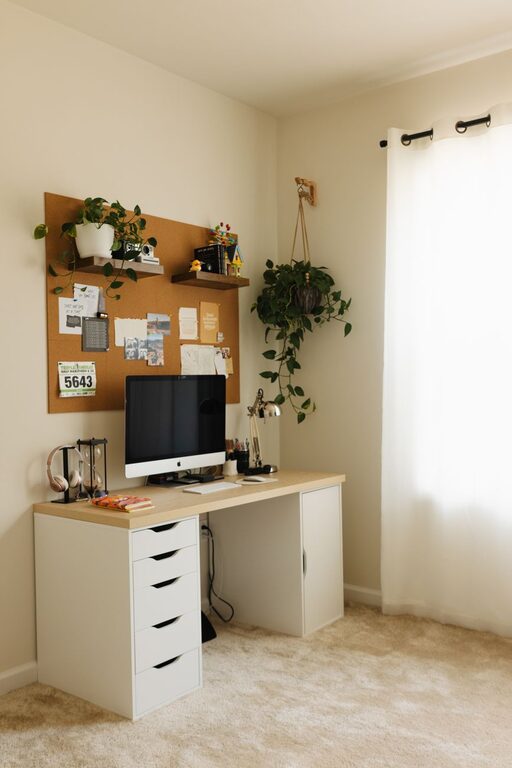
Working from home has become part of many people’s daily routine, making a well-designed home office more important than ever. Creating a space that feels cozy yet keeps you productive can help you stay motivated and focused. Whether you’re setting up a new area or improving an existing one, these practical tips will guide you through designing a home office that supports both comfort and efficiency.
The first step in creating a cozy and productive office is selecting the best spot in your home. Consider the following:
– Natural Light: Pick a space near windows to maximize daylight, which can improve mood and energy.
– Privacy: Find a quiet corner away from household distractions like TV or busy kitchens.
– Space: Ensure there’s enough room for your desk, chair, and any equipment or storage you need.
Even if space is limited, you can carve out a small dedicated nook that signals “work time” to your brain.
One of the biggest factors affecting productivity and comfort is your furniture.
– Ergonomic Chair: Choose a chair that supports your lower back and encourages good posture.
– Desk Height: Use a desk with the right height or an adjustable desk to avoid strain on your neck and wrists.
– Additional Seating: If space allows, add a soft chair or small couch for reading or brainstorming away from the desk.
Comfortable furniture helps reduce fatigue and discomfort, allowing you to focus longer.
Good lighting is key to reducing eye strain and maintaining alertness.
– Layered Lighting: Combine natural light with overhead lights and task lamps.
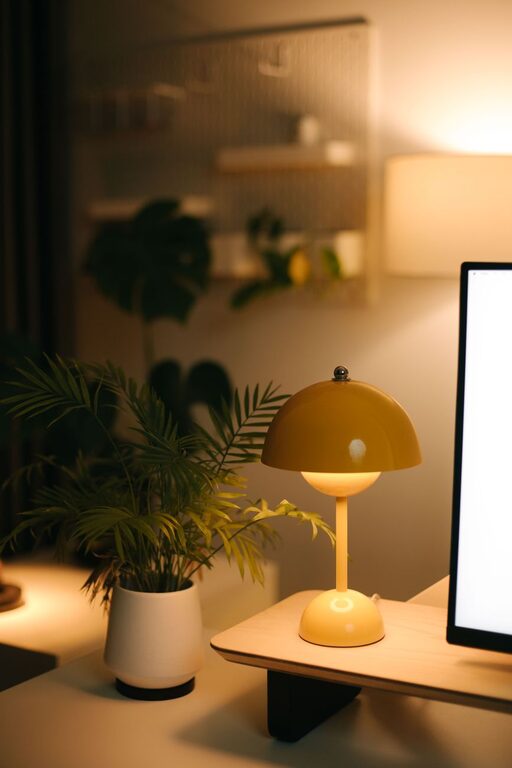
– Adjustable Desk Lamp: Use a lamp with adjustable brightness for focused work, especially in the evenings or on cloudy days.
– Avoid Glare: Position screens perpendicular to windows to minimize glare and reflections.
Warm light bulbs around 2700–3000K can create a cozy ambiance, while cooler light around 4000K can boost alertness during work hours.
Adding personal touches can make your office feel more inviting and uniquely yours.
– Decor: Hang artwork or photos that inspire you.
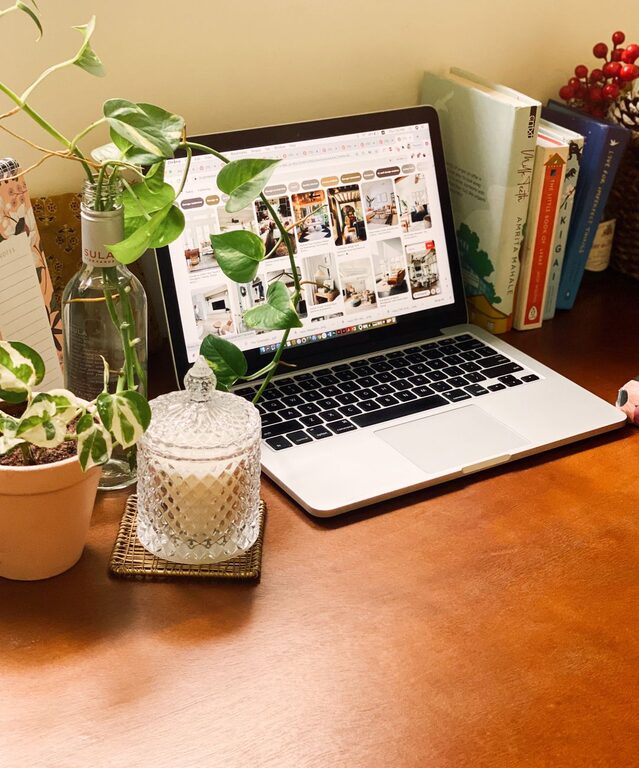
– Plants: Indoor plants improve air quality and add a natural, calming vibe.
– Color: Use colors you enjoy or that promote productivity, such as soft blues or greens for calm, or yellows for energy.
Personalization helps your office feel comfortable, which can reduce stress and increase motivation.
A tidy workspace reduces distractions and boosts efficiency.
– Storage Solutions: Use shelves, filing cabinets, or baskets to keep items organized.
– Desk Essentials: Keep only what you need on your desk to prevent clutter.
– Cable Management: Use clips or sleeves to keep cords neat and out of the way.
Regularly setting aside time to tidy your office can make a big difference in how you feel about your workspace.
Creating physical and mental boundaries between work and home life supports productivity and well-being.
– Dedicated Workspace: Avoid working in bed or on the couch as much as possible.
– Set Hours: Define your work hours and stick to them.
– Start and End Rituals: Develop routines that signal the beginning and ending of the workday, such as a short walk or tidying your desk.
These habits help your brain switch into work mode and relax afterward.
Equip your home office with the necessary tech tools, but keep distractions minimal.
– Reliable Internet: A strong, stable connection is essential.
– Quality Headphones: Noise-canceling headphones can help block distractions.
– Productivity Apps: Use apps or timers to stay focused and manage your workload.
Turning off non-essential notifications during work hours can improve concentration.
Comfort isn’t just about furniture and lighting—temperature and fresh air matter too.
– Ventilation: Keep windows open when possible or use fans to circulate air.
– Temperature Control: Use a space heater or fan if your room tends to be too cold or hot.
– Humidity: Adding a humidifier in dry climates can make the air more comfortable.
A comfortable environment keeps you alert and ready to work.
Small touches can make your office feel warm and inviting.
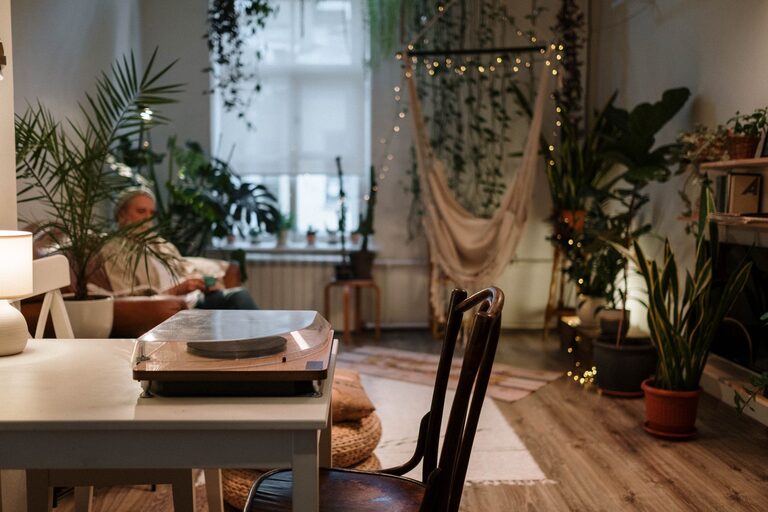
– Area Rugs: Soften hard floors with a rug.
– Throw Blankets and Cushions: Add warmth and comfort to seating.
– Curtains: Use fabric curtains to control light and improve acoustics.
These elements can make spending time in your office more enjoyable.
—
Creating a cozy and productive home office is about balancing comfort with function. By choosing the right space, investing in supportive furniture, optimizing lighting, personalizing your surroundings, and keeping organized, you set the stage for successful workdays. Paying attention to the environment and establishing boundaries ensures your office supports both your professional needs and personal well-being. With a thoughtfully designed workspace, working from home can feel both comfortable and motivating.