 15 June 2026
 Share
Share
1

Creating a home office that feels cozy yet functional is key to maintaining productivity and comfort while working from home. Whether you have a dedicated room or just a small corner, designing your workspace thoughtfully can make a big difference. In this post, we’ll explore practical tips to help you set up a home office that encourages focus, minimizes distractions, and makes you look forward to work.
Working from home has become common, and having a space tailored to your needs can improve your work performance and mental well-being. A cozy office helps reduce stress and fatigue, while functionality keeps you organized and efficient. Striking the right balance between comfort and practicality is important for a lasting positive work experience.
If possible, set up your office near a window. Natural light can lift your mood, reduce eye strain, and make your space feel more inviting. Position your desk perpendicular to the window to avoid glare on your screen.
Pick a quiet spot away from heavy foot traffic or noisy appliances. If complete silence isn’t possible, using noise-canceling headphones or a white noise machine can help you concentrate.
Since you’ll be sitting for long periods, select an ergonomic chair with good lumbar support and adjustable height. Comfort helps maintain proper posture and prevents back pain.
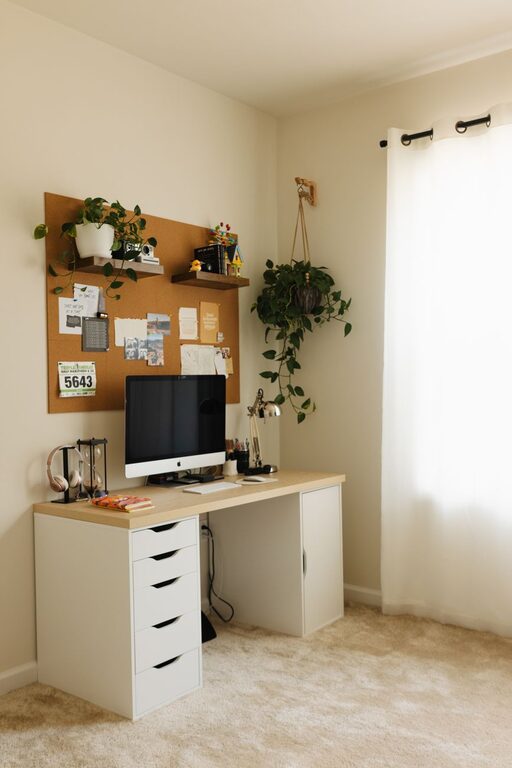
A desk with adequate space allows you to spread out your work materials comfortably. If space is limited, wall-mounted foldable desks or compact corner desks can be great alternatives.
Clutter can be distracting. Use shelves, filing cabinets, or drawer organizers to keep your supplies tidy and accessible. Vertical storage helps save floor space and keeps your work zone neat.
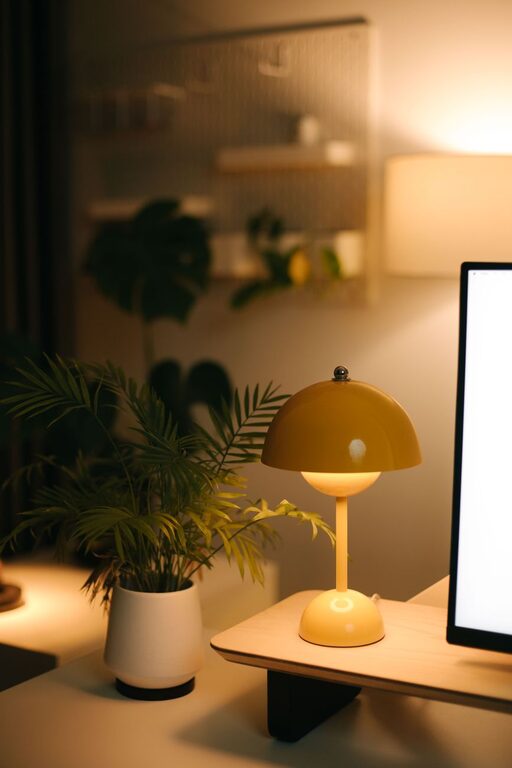
In addition to natural light, add warm, soft lighting using desk lamps or floor lamps. Avoid harsh overhead fluorescents to create a calming atmosphere.
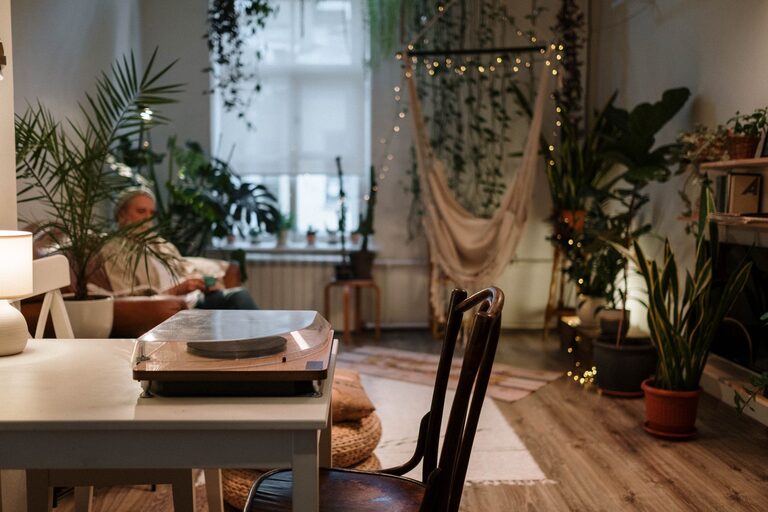
A soft throw blanket, cushioned chair pad, or area rug can make the space feel inviting. These small touches add warmth without sacrificing professionalism.
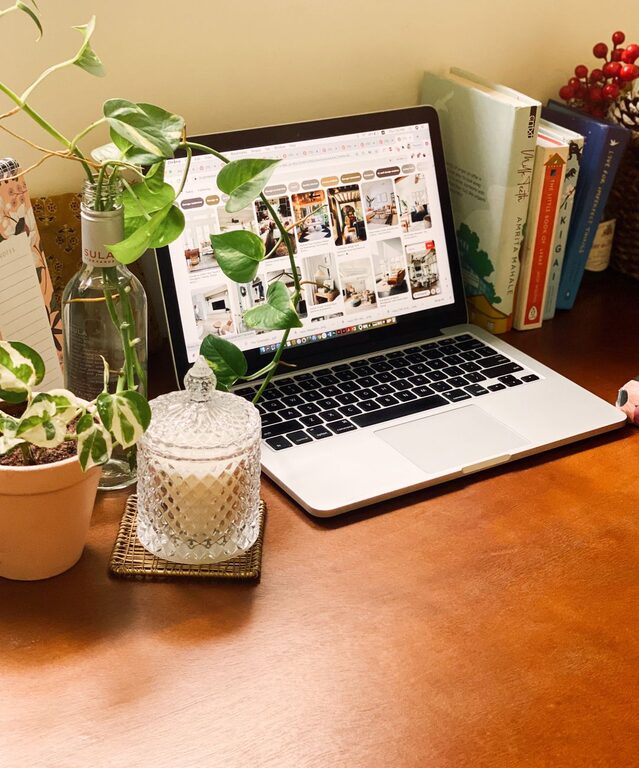
Decorate with plants, artwork, or photos that inspire and motivate you. Plants also improve air quality and add a refreshing green element to your office.
Organize your desk so essential tools like pens, notepads, and chargers are easy to grab. This minimizes interruptions and keeps your workflow smooth.
Remove unnecessary gadgets or clutter that might tempt you away from work. Designate a spot for your phone or other devices so they don’t interfere with concentration.
Messy cords can look chaotic and create tripping hazards. Use cable clips, sleeves, or boxes to keep wires organized and out of sight.
Make sure your computer, printer, and internet connection are reliable. Slow connections or outdated gear can cause frustration and reduce productivity.
Having a second screen can improve multitasking and help you work more efficiently, especially if your tasks involve many tabs or documents.
Keep your computer files structured with clear folders and backup important data regularly to avoid losing valuable information.
Having set work hours and scheduled breaks helps establish boundaries between work and home life.
Spend a few minutes at the end of each day tidying your space. A clutter-free environment promotes focus and makes starting work easier.
Change up your decor or rearrange furniture periodically to prevent your office from feeling stale or dull.
Designing a cozy and functional home office is about balancing comfort with practicality. By choosing the right location, investing in ergonomic furniture, organizing thoughtfully, and adding personal touches, you can create a workspace where you enjoy spending time and feel motivated to work. Small improvements can lead to big changes in your productivity and overall work happiness.
Take the time to customize your home office according to your preferences and needs—it’s an investment that benefits both your work and well-being.